By Bri Quintero Bungert, UW-Madison iSchool (2026)
This past semester, I had the wonderful opportunity of working with the Farnsworth Public Library in Oconto, Wisconsin, as a part of the Recollection Wisconsin Digitization Initiative. My project focused on digitizing the library’s yearbook collection, the years ranging from 1910 to 1949. The collection, which has been of interest to many community members researching their family history, houses years’ worth of memories and local history.

Farnworth Public Library work room in 2026 and Farnsworth Public Library in 1912.
One of my favorite parts of digitizing the collection was seeing the Farnsworth Public Library throughout the years. It is mentioned and pictured throughout the decades of yearbooks I digitized; every graduating class had love and affection for the building that houses so much knowledge. Even though it has seen its fair share of renovations throughout the years, it is unmistakably the same as it was over a century ago.
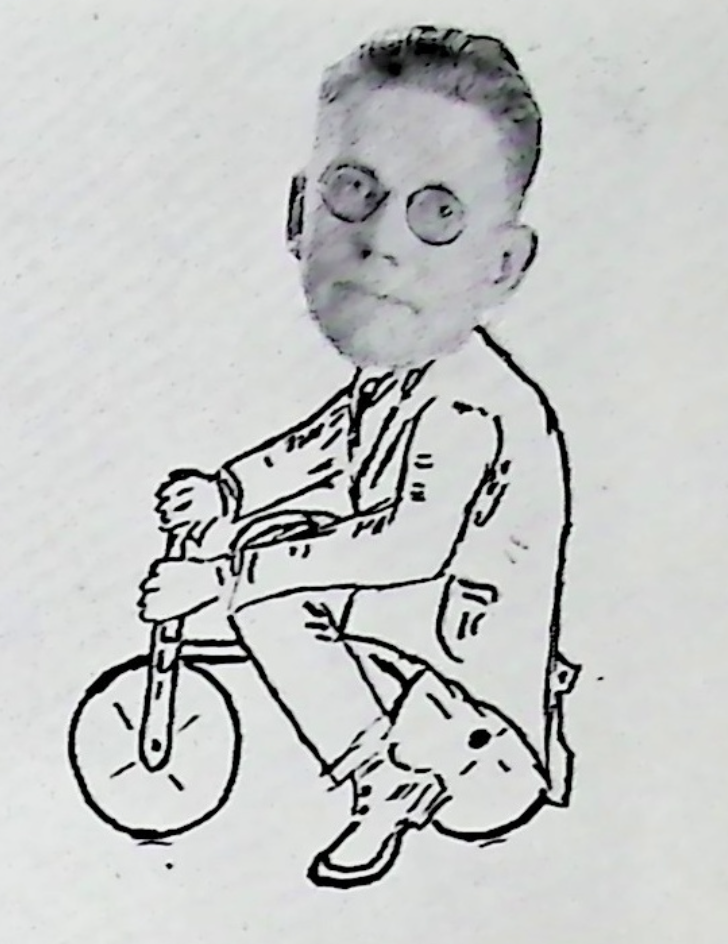
Bay Mist Yearbook, 1922.
Something I couldn’t help but love and relate to as I flipped through these pages was the personalities that shone through image and text. I found myself smiling at picture captions and finding familiarity with the people housed within these volumes. It felt like looking through my own yearbook; despite time itself, very little has changed.
It was fascinating to see the ways day-to-day life shifted in response to the world’s own change. From new fashions to school clubs, it is through these tangible memories that we see what it means to live and adapt to the changes one experiences.
It’s a unique perspective to look through, one that showcases heartbreak, immaturity, friendship, and dedication to scholarship during an age where everything is new and the future feels boundless. Featured below are some of my favorite excerpts from the yearbooks I digitized – it’s compelling to see the ways that people have interpreted the world around them.

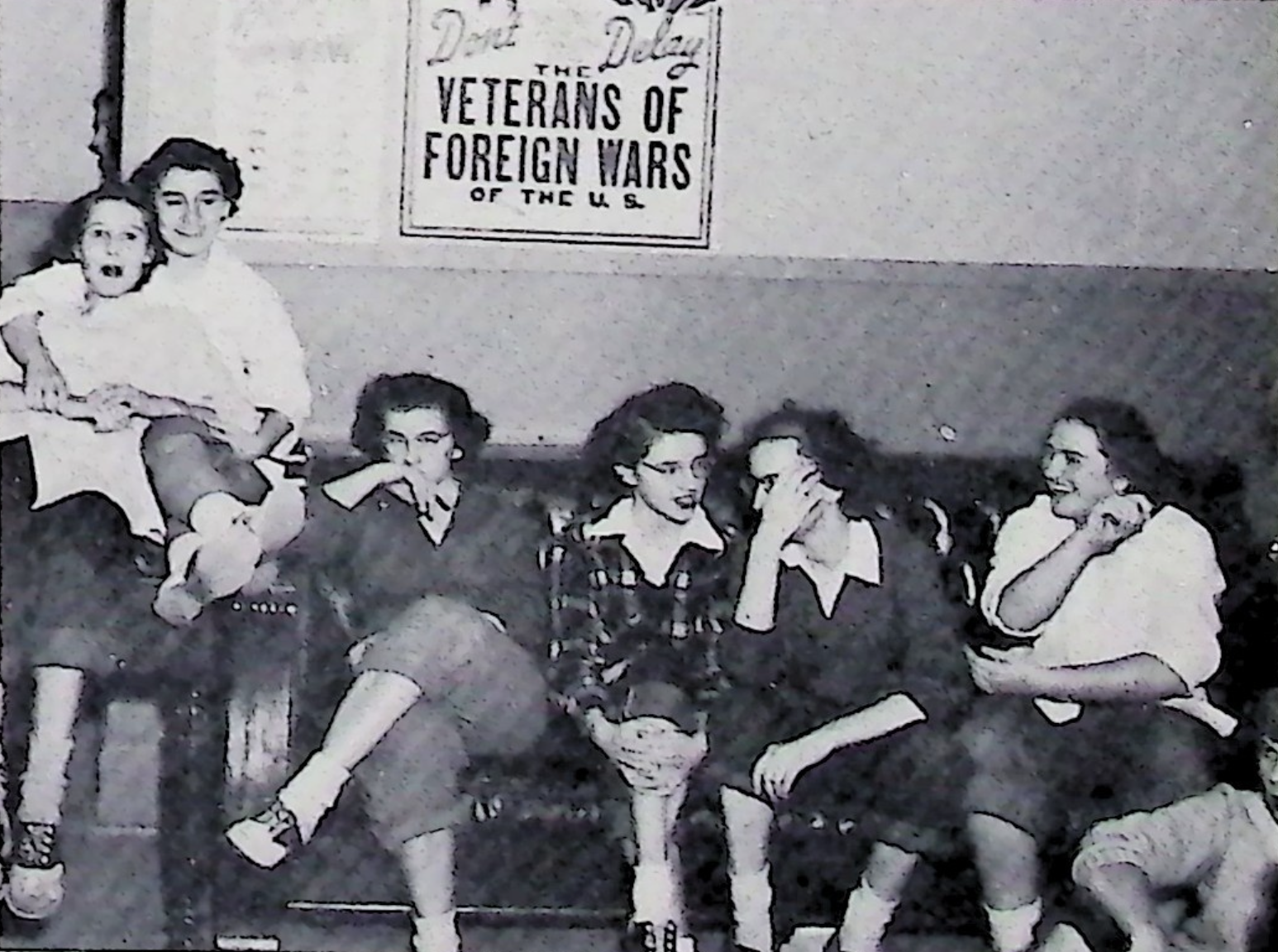
Freshman officers Joe Moes, Rita Foley and Bernard Aubrey, 1947. A student at the nurse’s office, 1946.
With all of the intrigue that comes with discovering slivers of history, however, also comes the biases that were, and still are, pervasive. One challenge I faced with this project was how to go about documenting and sharing insensitive materials, such as racist language and stereotypes. I took the opportunity to look at other collections to see how they handled these materials and found that many contained content statements, which offer viewers the choice to see the material if they want to and the ability to not engage if that is what’s best for them. I followed suit, tailoring my statement to the Okato yearbooks and inviting the viewer to reach out if, in the future, they happen upon material that lacks proper documentation.
I think it’s vital to acknowledge all parts of history, especially in collections such as these. Censoring these items erases the harm that has been done and provides a sanitized revision of multifaceted people and their actions. I think it’s important to reflect on the good and bad that make up our histories. It shows us how far we’ve come, but also pushes us to go even further, to take with us the parts necessary to keep growing and changing. I hope that this collection gives its audience something to remember fondly as well as something to strive for in moving towards the future.
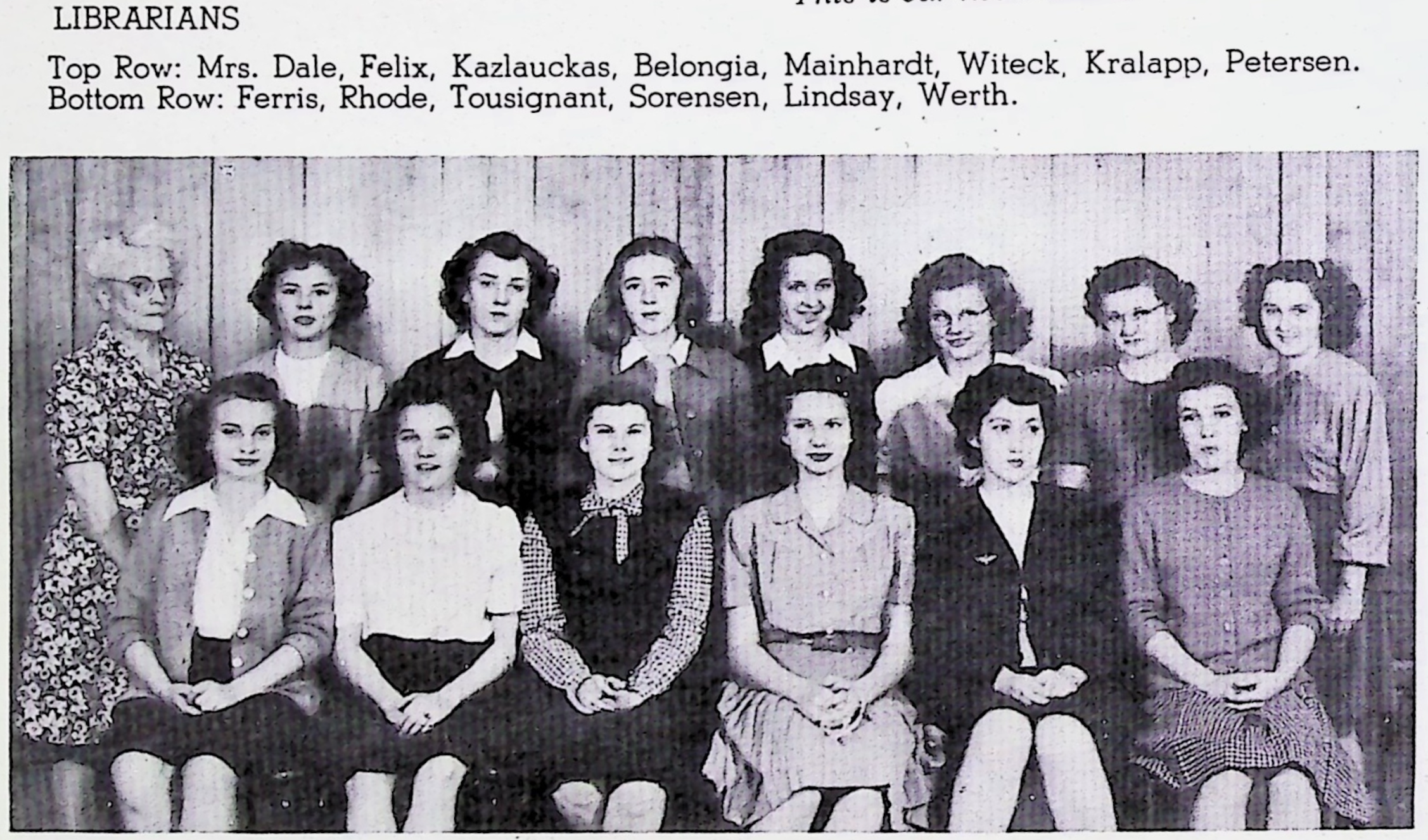
Bonus: Oconto student librarians!
For more information about the Recollection Wisconsin Digitization Initiative, visit https://recollectionwisconsin.org/rwdi.

You must be logged in to post a comment.